Headmain: A Bold Script Font for Dynamic Web Design
The Power of a Strong Visual Statement
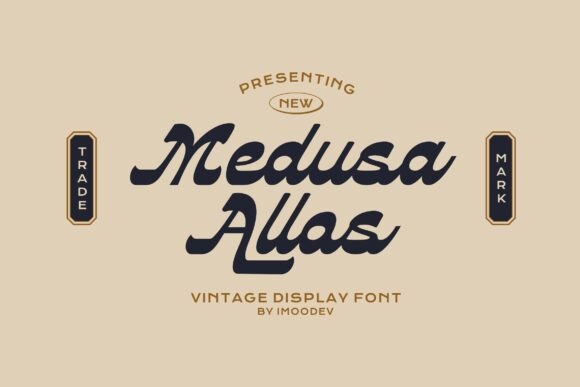
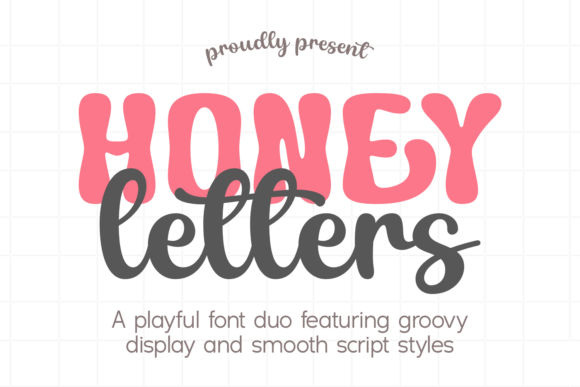
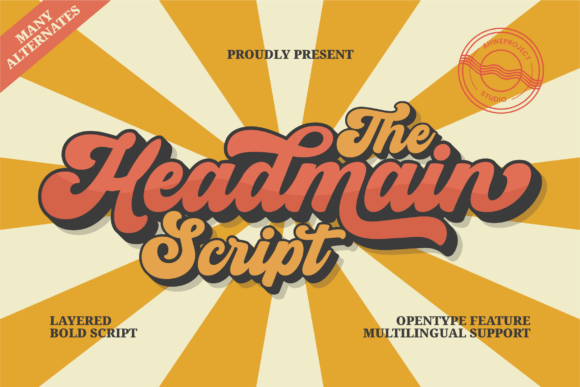
As a web designer, I know that typography plays a critical role in shaping the user experience. The right font can elevate a design from ordinary to exceptional. Headmain Script is a display font that brings energy and personality to any layout. With its bold, layered structure and retro-inspired curves, Headmain stands out as a versatile choice for creating impact without sacrificing readability.
Headmain’s thick strokes and fluid lines give it a strong presence, making it ideal for headlines, hero sections, and attention-grabbing call-to-action buttons. It’s not just about aesthetics—it’s about how the font interacts with the content and guides the viewer’s eye through the page. This makes it a powerful tool for designers looking to create a memorable brand identity or drive conversions on landing pages.
Where to Use Headmain in Your Design Projects
Headmain is best suited for areas where visual hierarchy and emphasis are key. Think of it as the headline of your design—whether it's a product landing page, a blog header, or an online store banner, this font adds a dynamic flair that captures attention instantly.
- Hero Sections: Use Headmain for large, centered titles that draw users into your content.
- Call-to-Action Buttons: Its bold nature makes it perfect for buttons that encourage clicks.
- Logo Text: If your brand has a creative or vintage feel, Headmain can be used as a primary logo font.
- Blog Headers: Adds a unique touch to editorial-style websites and digital publications.
- Portfolio Websites: Helps showcase creative work with a strong visual voice.
- Course Sales Pages: Makes pricing and offer text stand out effectively.
While Headmain is most effective as a display font, it can also serve as a decorative accent when used sparingly. Pairing it with a clean sans-serif font for body copy ensures a balanced contrast that enhances readability without overwhelming the reader.
Readability and Layout Considerations
When using Headmain in web layouts, it’s important to consider how it performs across different screen sizes and backgrounds. On mobile devices, ensure that the font size is large enough to maintain legibility. Avoid using Headmain on small buttons or dense text blocks, as its bold strokes may become less readable at smaller scales.
For dark background designs, Headmain works exceptionally well when paired with light-colored text. Conversely, on light backgrounds, use darker tones to maintain contrast. When overlaying text on images, make sure the font remains visible by adjusting opacity or using high-contrast colors.
Also, always test Headmain in responsive layouts to ensure it adapts smoothly to various screen widths. This helps maintain a consistent user experience across all devices, which is crucial for both accessibility and conversion rates.
Font Pairing Strategies for Web Design
Pairing Headmain with the right complementary fonts can significantly enhance the overall design. For a modern, clean look, pair it with a simple sans-serif font like Arial or Helvetica for body copy. This creates a clear visual hierarchy and keeps the focus on the content.
If you’re aiming for a more editorial or artistic vibe, consider pairing Headmain with a serif font such as Georgia or Baskerville. This combination adds depth and sophistication, making it ideal for branding projects or creative portfolios.
For digital ads or social media graphics, use Headmain as the main title and pair it with a minimalist sans-serif font for supporting text. This approach ensures clarity while maintaining a strong visual identity.
Technical and Licensing Considerations
Before implementing Headmain in your projects, check the font’s technical specifications. Ensure that it includes webfont formats such as WOFF and WOFF2 for compatibility across browsers. Also, verify that it supports multiple languages if you plan to use it internationally.
Headmain is a commercial font, which means it can be used on websites, landing pages, online stores, and branded assets. Always review the licensing terms to ensure compliance with your intended use. Whether you're building a personal portfolio or launching a SaaS product, proper licensing is essential for legal and ethical design practices.
Additionally, explore the available weights and alternates to customize the font for different design needs. These variations allow you to maintain consistency across your brand while adapting to various design contexts.
Conclusion
Headmain is more than just a script font—it’s a powerful design tool that can transform your web layouts. With its retro charm and bold presence, it’s perfect for creating engaging, visually appealing content that resonates with your audience. By understanding how to use it effectively, you can leverage Headmain to build a strong brand identity and improve user engagement on your digital platforms.